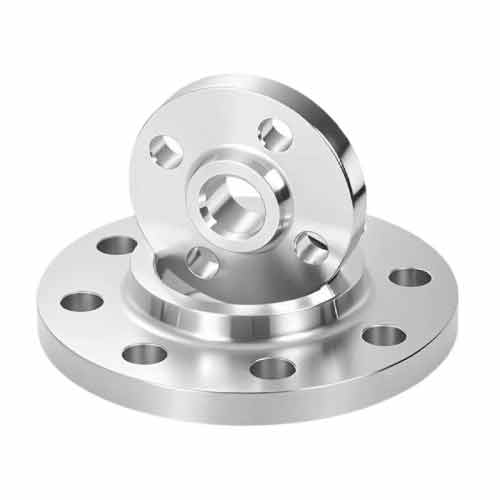
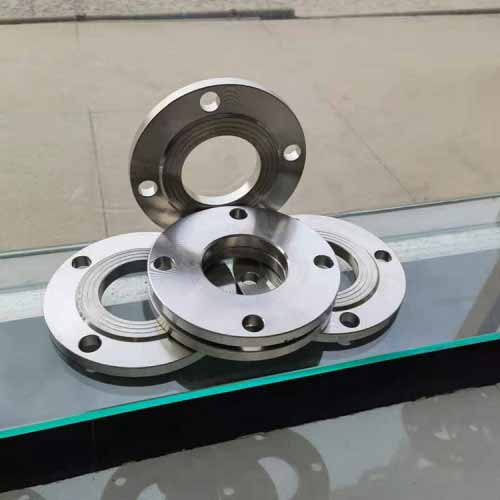
Product details description
In industrial piping systems, the proper sizing of flanges is critical for
maintaining system integrity and optimizing fluid flow. Flanges serve as the
connecting points between pipes, valves, and equipment, and a mismatch in sizing
can lead to catastrophic failures or significant efficiency losses. Sizing a
flange is not merely about matching the pipe diameter; it involves selecting the
correct pressure rating, facing type, and bolt holes to ensure a leak-free
connection. Understanding these parameters is essential for engineers and
pipefitters to guarantee a safe and efficient operation.
The fundamental rule of industrial flange sizing is that the bore of the
flange must match the nominal size of the pipe. However, pipe sizes are
designated by nominal bore, which may differ slightly from the actual outside
diameter. For instance, a 6-inch pipe may have a different actual outside
diameter depending on its schedule (wall thickness). The flange must be bored or
machined to slide over the pipe's outside diameter while accommodating the
inside diameter for unobstructed flow. Precise matching ensures that turbulence
and pressure drops are minimized at the connection point, maintaining the pump
efficiency and overall system performance.
Flow optimization is heavily influenced by the internal finish and bore
geometry of the flange. A rough or mismatched flange bore can create eddies and
friction, leading to energy loss in the system. Furthermore, the transition
between the pipe and the flange must be smooth. Some flanges are designed with a
raised face or a ring-type joint, which can concentrate the gasket force and
improve the seal. However, in high-velocity applications, the flange design must
not introduce unnecessary restrictions. Engineers must calculate the Reynolds
number and flow characteristics to ensure the flange does not create a
bottleneck in the pipeline.
Pressure rating and schedule also play a vital role in flange selection. A
flange may have the correct diameter for the pipe, but if its pressure class
(e.g., 150, 300, or 600 lbs) is lower than the system's operating pressure, it
poses a safety risk. Additionally, the thickness of the flange and the number of
bolts required increase with the pressure class and pipe schedule. Using an
undersized flange in a high-pressure environment can result in deformation or
leaking under stress. Therefore, sizing involves a holistic view of the system's
pressure, temperature, and fluid properties.
In conclusion, industrial flange sizing is a complex engineering task that
goes beyond simple diameter matching. It requires a detailed understanding of
fluid dynamics, pressure ratings, and dimensional standards to optimize flow and
ensure safety. By selecting the correct flange size, class, and facing,
engineers can prevent costly downtime and accidents. Properly sized flanges are
the backbone of a reliable piping system, ensuring that fluids are transported
efficiently and safely across the facility.
Previous article:
Flange Standards and Classifications: ASME B16.5, ANSI, and International Specifications
Next article:
Flange Face Types: Raised Face, Flat Face, and Ring-Type Joint Designs