Product details description
In piping systems, the choice between weld neck (WN) and slip-on (SO)
flanges involves a critical trade-off between performance under stress, ease of
installation, and cost. Both connect pipes, valves, and equipment, but their
designs suit different service conditions.
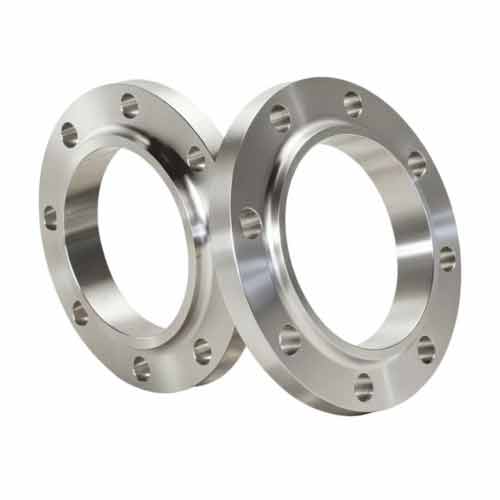
Weld Neck Flanges are characterized by a long, tapered hub that is
butt-welded to the pipe. This design provides the highest integrity and
performance for demanding applications. The tapered hub ensures a smooth
transition of stress from the flange to the pipe, reducing stress concentration
at the weld joint. This makes weld neck flanges ideal for high-pressure,
high-temperature, cyclic loading (fatigue), or severe service conditions (e.g.,
refineries, chemical plants, power generation). They are also excellent for
repeated bending or hazardous fluids, as the welded butt joint is extremely
robust. The downside is higher cost due to more material and the need for
skilled butt welding, which is more time-consuming and expensive than fillet
welding.
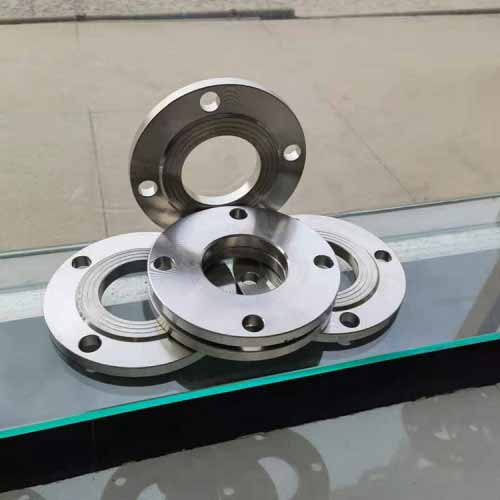
Slip-On Flanges are literally slipped over the pipe and then fillet welded
on both the inside (hub) and outside. They are easier to align than weld neck
flanges because they can rotate around the pipe before final welding. This makes
installation faster and cheaper, as fillet welding is less critical and requires
less skill than butt welding. They are also lighter and require less material,
contributing to lower initial cost.
However, slip-on flanges have significant performance limitations. Their
strength under internal pressure is only about two-thirds that of a weld neck
flange. The double fillet weld creates a more significant stress concentration
point, making them more susceptible to fatigue failure from vibration or bending
moments. They are generally not recommended for high cyclic load services or
where severe temperature gradients exist. Their use is typically confined to
low/medium pressure, non-hazardous services, and lower-temperature
applications.
The choice boils down to service requirements. Use Weld Neck Flanges for
critical service: high pressure (>600 psi), high temperature, cyclic duty,
toxic/flammable fluids, or where system integrity is paramount. The higher
initial cost is justified by superior safety and longevity. Use Slip-On Flanges
for non-critical, low-to-medium pressure applications, utility lines, water
service, or where budget and installation speed are primary concerns. For these
services, their cost-effectiveness and ease of installation make them the
practical choice.
Previous article:
Precision Flow Measurement with Orifice Flange Assembly
Next article:
Flange Standards and Classifications: ASME B16.5, ANSI, and International Specifications