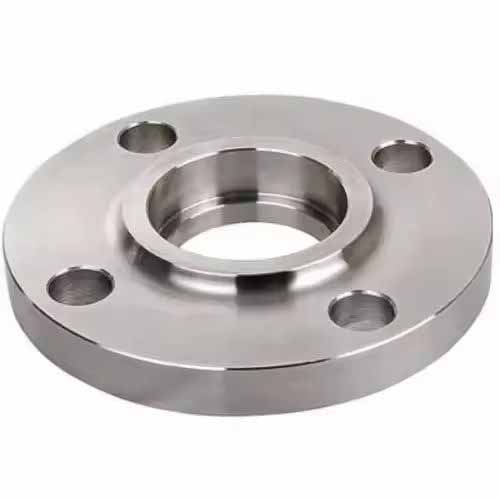
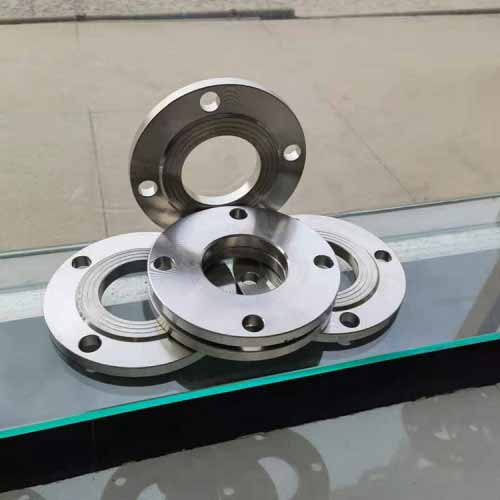
Product details description
Flanged connections represent critical joints in piping systems across
industrial facilities, where failure can result in dangerous leaks,
environmental releases, and costly unplanned shutdowns. Regular inspection and
maintenance of flanges helps identify developing problems before they cause
failure, while proper installation and assembly techniques prevent the gasket
damage and bolt fatigue that frequently cause flange leaks. Understanding the
inspection techniques and maintenance practices that prevent flange failures
enables facility managers, maintenance personnel, and engineers to protect the
significant investments represented by industrial piping systems. The systematic
approach to flange management—combining visual inspection, non-destructive
testing, and proper torque management—provides the foundation for reliable,
leak-free piping throughout facility service life.
Visual inspection of flanges should occur at regular intervals determined
by the service environment, criticality of the connection, and operating
history, with high-risk connections requiring more frequent scrutiny. The gasket
seating surfaces should be examined for damage including scratches, dents,
corrosion pitting, or warping that could prevent proper gasket compression and
create leak paths. Bolt threads and flange bolt holes require inspection for
corrosion, stretch, or deformation that could affect bolt preload distribution
across the gasket joint. The flange itself should be checked for cracks
radiating from bolt holes, along the gasket seating surface, or through the
flange thickness, with particular attention to areas of stress concentration.
Any accumulated gasket material, corrosion products, or foreign material on
gasket surfaces should be carefully removed before reassembly, as these
materials can prevent proper gasket seating and create leak paths.
Gasket replacement intervals depend on service conditions including
temperature, pressure, chemical exposure, and the frequency of thermal cycling
that stresses gasket materials through expansion and contraction. Spiral-wound
gaskets with graphite filler typically provide the longest service life in
high-temperature applications, while compressed fiber gaskets may require more
frequent replacement in aggressive chemical environments. Proper bolt torque
during assembly ensures even gasket compression across the entire gasket area,
with torque values specified by gasket manufacturers or engineering
specifications that account for required gasket stress and the friction
characteristics of lubrication applied to threads and flange faces. Gasket
installation requires clean, undamaged gasket surfaces, proper gasket
orientation, and cross-pattern bolt tightening that gradually and evenly
distributes load across the gasket joint. When gasket failure does occur,
analyzing the failure mode—blowout, erosion, chemical attack, or fire
damage—provides information that guides selection of more appropriate gasket
materials for future replacements.
Previous article:
How to Select the Right Flange for Your Industrial Application
Next article:
Flange Bolt Torque Specifications: Proper Assembly and Seal Integrity Maintenance