Product details description
Proper flange face finish is critical for orifice installations (used for
flow measurement in pipelines) to ensure leak-tight seals, accurate flow
readings, and long-term reliability. Orifice plates rely on a tight seal between
the flange faces to prevent fluid bypass, which can distort flow measurements
and cause safety hazards. The flange face finish—defined by its roughness,
texture, and machining pattern—directly impacts the seal’s integrity, making it
a key factor in orifice installation success.
Flange face finish specifications are governed by industry standards (e.g.,
ASME B16.5, API 605) to ensure compatibility and performance. The most common
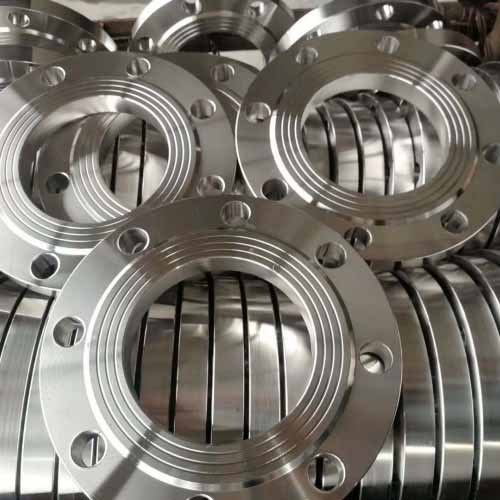
finishes for orifice flanges are raised face (RF) with a serrated pattern
(either spiral or concentric). The serration depth and pitch are critical: a
roughness average (Ra) of 3.2–6.3 micrometers (125–250 microinches) is
recommended for most applications. This roughness creates micro-channels that
trap gasket material, enhancing the seal’s ability to withstand pressure and
temperature fluctuations. A finish that is too smooth (Ra < 3.2 micrometers)
may not provide enough friction to hold the gasket in place, leading to leaks. A
finish that is too rough (Ra > 6.3 micrometers) can damage the gasket,
reducing its lifespan and sealing effectiveness.
Proper flange face finish installation and maintenance ensure optimal
performance. During manufacturing, flanges are machined to the required finish
using tools like lathes or grinding machines—any deviations from the specified
Ra or serration pattern must be corrected before installation. Before mounting
the orifice plate, inspect the flange faces for damage (scratches, dents, or
corrosion) that could compromise the seal. Clean the faces thoroughly to remove
dirt, oil, or debris, which can interfere with the gasket-seal interface. Use a
compatible gasket material (e.g., rubber, metal, or composite) that matches the
fluid type, pressure, and temperature. Torque the flange bolts evenly using a
torque wrench to ensure uniform pressure across the face, avoiding
over-tightening (which can deform the flange) or under-tightening (which leaves
gaps). Regularly inspect the flange face finish during maintenance, re-machining
if wear or damage is detected. Proper flange face finish is not just a detail—it
is a fundamental requirement for accurate orifice measurement, leak prevention,
and safe pipeline operation.
Previous article:
Threaded Flange Applications: Easy Installation and Maintenance-Friendly Solutions
Next article:
High-Pressure Orifice Flanges - Rated for Demanding Applications